Sikkim Tour Packages | Gangtok, North Sikkim & Pelling
What Makes Sikkim Special?
Sikkim is one of the few places in India that feels genuinely off the beaten path, even though it is perfectly accessible. The state has four distinct districts — East, West, North, and South — each with its own character and highlights. Here is a taste:
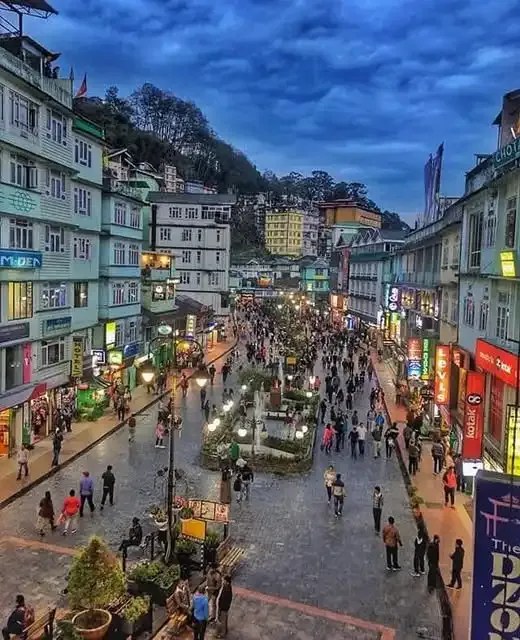
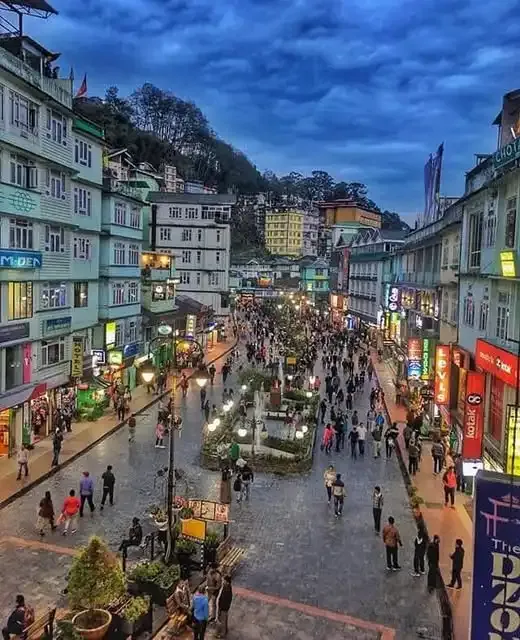
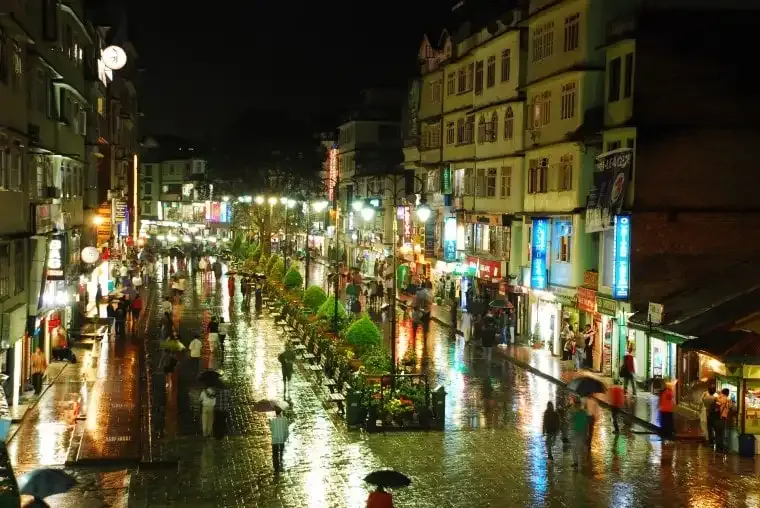
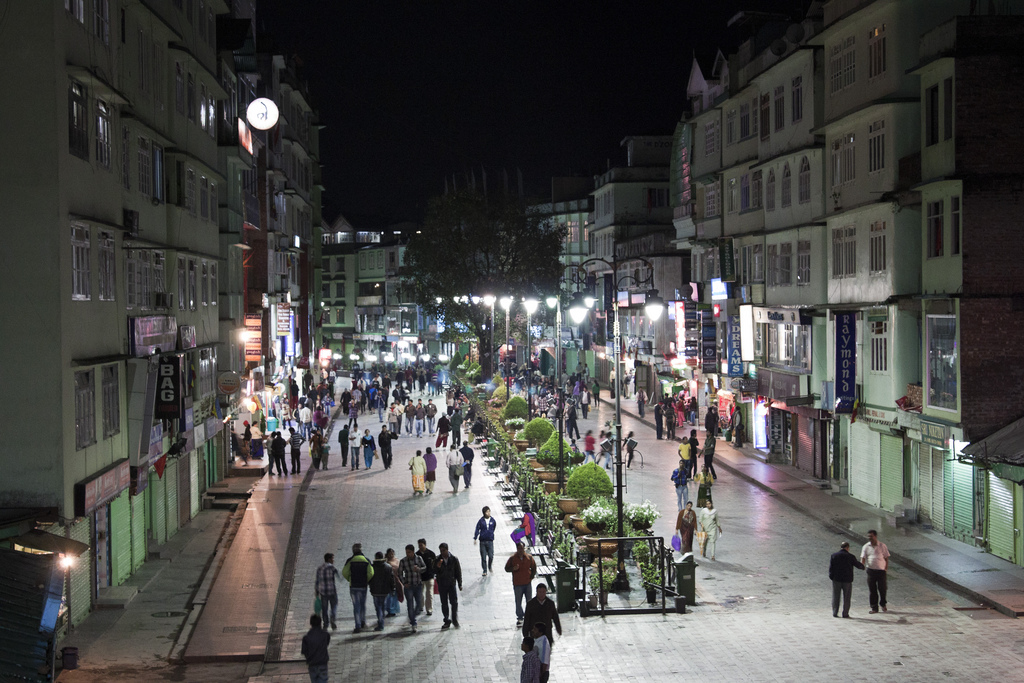
• Gangtok: The state capital sits at 5,500 feet and is wonderfully walkable. MG Marg, the pedestrian promenade, is perfect for evenings. The views of Kanchenjunga from the Tashi Viewpoint are unforgettable.
• Tsomgo Lake: Located at 12,400 feet, this glacial lake is one of the most visited spots in East Sikkim. The drive up through thick forests and then emerging at this crystal-clear high-altitude lake is breathtaking.
• Nathu La Pass: One of the few open border posts between India and China, sitting at 14,140 feet. Permits are required and we arrange these for you.
• Rumtek Monastery: The largest monastery in Sikkim, home to some of Tibetan Buddhism's most important relics. The prayer halls are deeply peaceful.
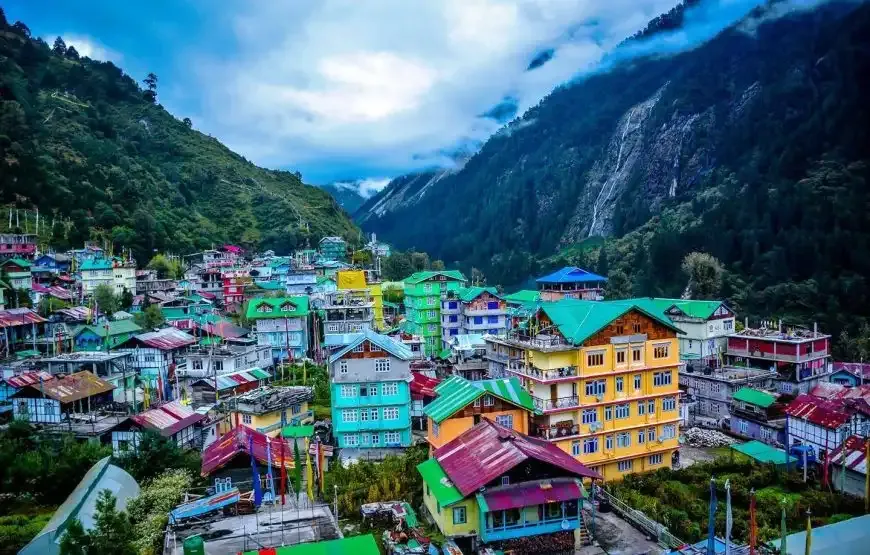
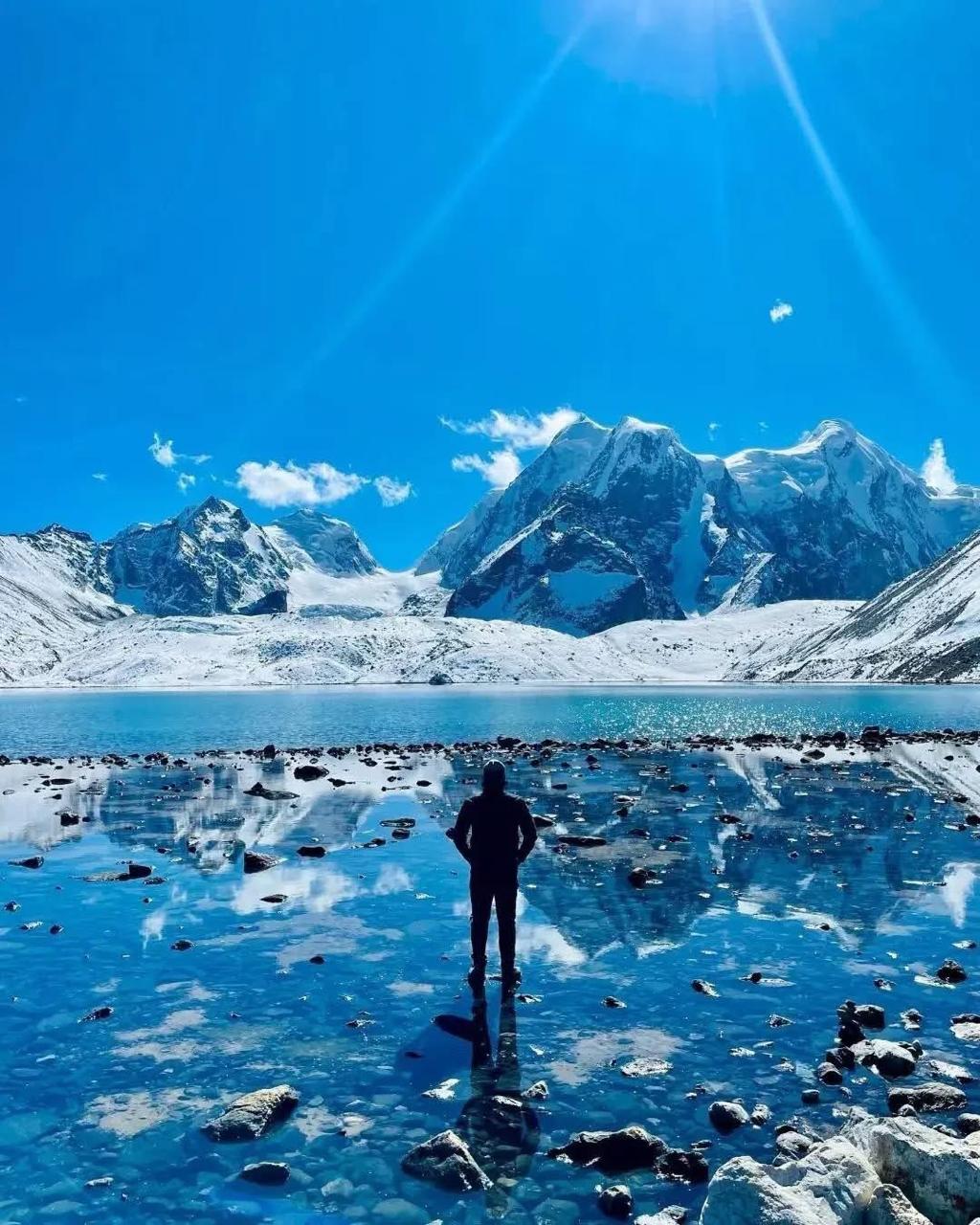
• North Sikkim & Lachen / Lachung: The remote valleys of North Sikkim are where adventurous travellers find their paradise. Gurudongmar Lake, one of the world's highest lakes, is simply spectacular.
• Pelling & West Sikkim: The Kanchenjunga Falls, Rabdentse Ruins, and the Skywalk at Pelling are highlights of West Sikkim.
• Namchi & South Sikkim: Home to the massive Chardham replica and the Siddhesvara Dham, this is a peaceful pilgrimage and sightseeing destination.
The optimal window for a Sikkim tour depends heavily on your preferred experience, but generally, March to May and October to mid-December are recommended. The spring months (March-May) bring pleasant temperatures, lush green landscapes, and stunning rhododendron blooms, especially in regions like Yumthang Valley. It is ideal for sightseeing and outdoor activities without extreme cold. The post-monsoon period (October-mid-December) offers extraordinarily clear skies, providing unparalleled views of Mt. Kanchenjunga and other snow-capped peaks, making it perfect for photography and mountain lovers. While winters (January-February) are beautiful with deep snow at higher altitudes (like Tsomgo Lake or Gurudongmar), extreme cold and potential road closures are common. The monsoon season (June-September) is best avoided due to heavy rainfall and the risk of landslides.
Sikkim, particularly its border regions, requires specific permits for all tourists. For Indian Nationals, an Inner Line Permit (ILP) is necessary to visit restricted areas like Tsomgo Lake, Nathu La Pass, Baba Mandir, and parts of North Sikkim (Lachen, Lachung, Yumthang Valley, Gurudongmar Lake). Foreign Nationals (excluding citizens of Bhutan) must obtain a Restricted Area Permit (RAP) for entry into Sikkim itself, and further special permits for North Sikkim. Foreigners are currently not permitted to visit Nathu La Pass, Gurudongmar Lake, or certain treks like Green Lake. These permits are crucial. For a seamless experience and to meet E-E-A-T standards (Experience and Expertise), it is highly advisable to arrange these permits through registered Sikkim travel agents. They are experienced in the administrative procedures and can ensure all paperwork is in order before your arrival or well in advance of the specific day trips, which is particularly important as Nathu La permits are subject to daily quotas and weather conditions.
Taxis (typically SUVs like Boleros or Sumos) are the primary mode of transportation between major towns (e.g., Gangtok to Namchi, Pelling, Siliguri/Bagdogra). They are a cost-effective and practical way to travel the hilly terrain, and their drivers are incredibly experienced on these winding roads. However, they follow set schedules and designated drop-off/pick-up points. For extensive sightseeing tours (like the 7-point or 10-point local Gangtok tours mentioned earlier, Pelling day trips, or specific North Sikkim circuits), hiring a private, dedicated taxi for the full or half-day is the most reliable and comfortable option. This approach allows you to explore at your own pace, stop for photos safely, and cover multiple attractions in a structured itinerary, avoiding the uncertainty and potential overcrowding of trying to find shared rides for short hops. A tour operator can coordinate all these dedicated vehicles efficiently.
Sikkim offers a breathtaking blend of natural beauty and profound spirituality. A well-rounded itinerary typically focuses on Gangtok, Pelling, and North Sikkim. Key cultural highlights include exploring dynamic MG Marg in Gangtok, visiting the historic Enchey Monastery, the peaceful Rumtek Monastery, and the detailed museum at the Namgyal Institute of Tibetology (NIT). The Do Drul Chorten is essential for a spiritual experience. Major natural attractions are the dramatic viewpoints for sunrise and mountain vistas, such as Tashi View Point, Ganesh Tok, and Hanuman Tok in Gangtok, and Rabdentse Ruins or the view from Pelling Skywalk (near the giant Chenrezig statue). The Flower Exhibition Centre showcases the region's diverse flora. Essential higher-altitude day trips, subject to permits, include Tsomgo Lake (Changu Lake) and Nathu La Pass. A dedicated North Sikkim tour to see the stark beauty of Gurudongmar Lake and the vibrant Yumthang Valley is highly sought after by adventure and nature enthusiasts, leveraging local expertise for safe travel.
Packing for Sikkim requires preparation for significant altitude and temperature variations. Essential items include:
Layered Clothing: Essential. Pack lightweight, quick-dry t-shirts, fleece jackets, thermals, and a sturdy windproof/waterproof jacket. Even in spring or summer, North Sikkim (over 10,000 ft) requires heavy winter wear.
Footwear: Sturdy, comfortable walking shoes or light hiking boots are non-negotiable for exploring monasteries and trails.
Sun and Wind Protection: High altitudes mean intense sun and wind. Bring a wide-brimmed hat, polarized sunglasses, high-SPF sunscreen, and reliable lip balm/moisturizer.
Health Kit: Pack a comprehensive first-aid kit including basic medications for common ailments, motion sickness, and specifically, consultations and medications for Altitude Mountain Sickness (AMS) if you plan to visit high points like Gurudongmar or Nathu La (Consult your doctor first for expert advice).
Documentation: Carry original and multiple photocopies of your valid ID (Driving License or Voter ID or Passport), and 6-10 passport-sized color photographs for permit applications.
Connectivity: Power banks are crucial as electricity can be intermittent in remote areas. Consider a BSNL SIM card for slightly better coverage in North Sikkim, though connections remain unreliable.
Personal Comfort: A travel pillow, reusable water bottle, and a daypack for essentials are useful.
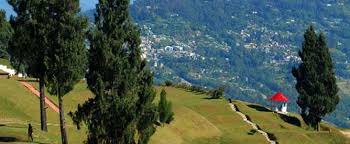
• Iconic Himalayan Scenery: Sikkim offers some of the most dramatic mountain landscapes in Asia. The snow-draped Kangchenjunga massif dominates the skyline, offering awe-inspiring views from multiple vantage points across the state.
• Rich Buddhist Heritage: Home to over 200 monasteries, including the famous Rumtek Monastery and Pemayangtse Monastery, Sikkim is a living centre of Tibetan Buddhism. The air here resonates with the sound of prayer wheels and the scent of incense.
• Pristine Natural Beauty: From the turquoise waters of Tsomgo Lake and Gurudongmar Lake to the rhododendron-blanketed Yumthang Valley — known as the Valley of Flowers — Sikkim's natural wonders are second to none.
• Adventure Tourism: Sikkim is a premier destination for trekking, river rafting, mountain biking, and paragliding. The Goecha La Trek and Dzongri Trek are among the most celebrated high-altitude trails in the Indian Himalayas.
• Unique Culture & Cuisine: Experience a vibrant mosaic of Lepcha, Bhutia, and Nepali cultures through colourful festivals like Losar, Saga Dawa, and Tihar. Savour local delicacies such as momos, thukpa, gundruk soup, and the famous Sikkimese fermented beverages.
• Eco-Friendly Travel: Sikkim leads India in sustainable tourism. With a ban on plastic, strict conservation measures, and organic farming, it's the ideal destination for conscious travellers.
1. Gangtok - The Capital City
Gangtok is the vibrant gateway to Sikkim tourism. Perched at an altitude of 1,650 metres, this cosmopolitan hill city blends modernity with mountain charm. Don't miss the MG Marg (a pedestrian-only boulevard), Rumtek Monastery, Enchey Monastery, and the stunning viewpoint at Tashi Viewpoint for panoramic Himalayan vistas. The Nathu La Pass, a historic mountain pass on the ancient Silk Road linking India and China, lies just 54 km from Gangtok.
2. North Sikkim - Land of High-Altitude Wonders
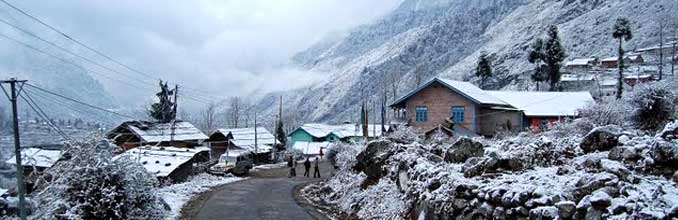
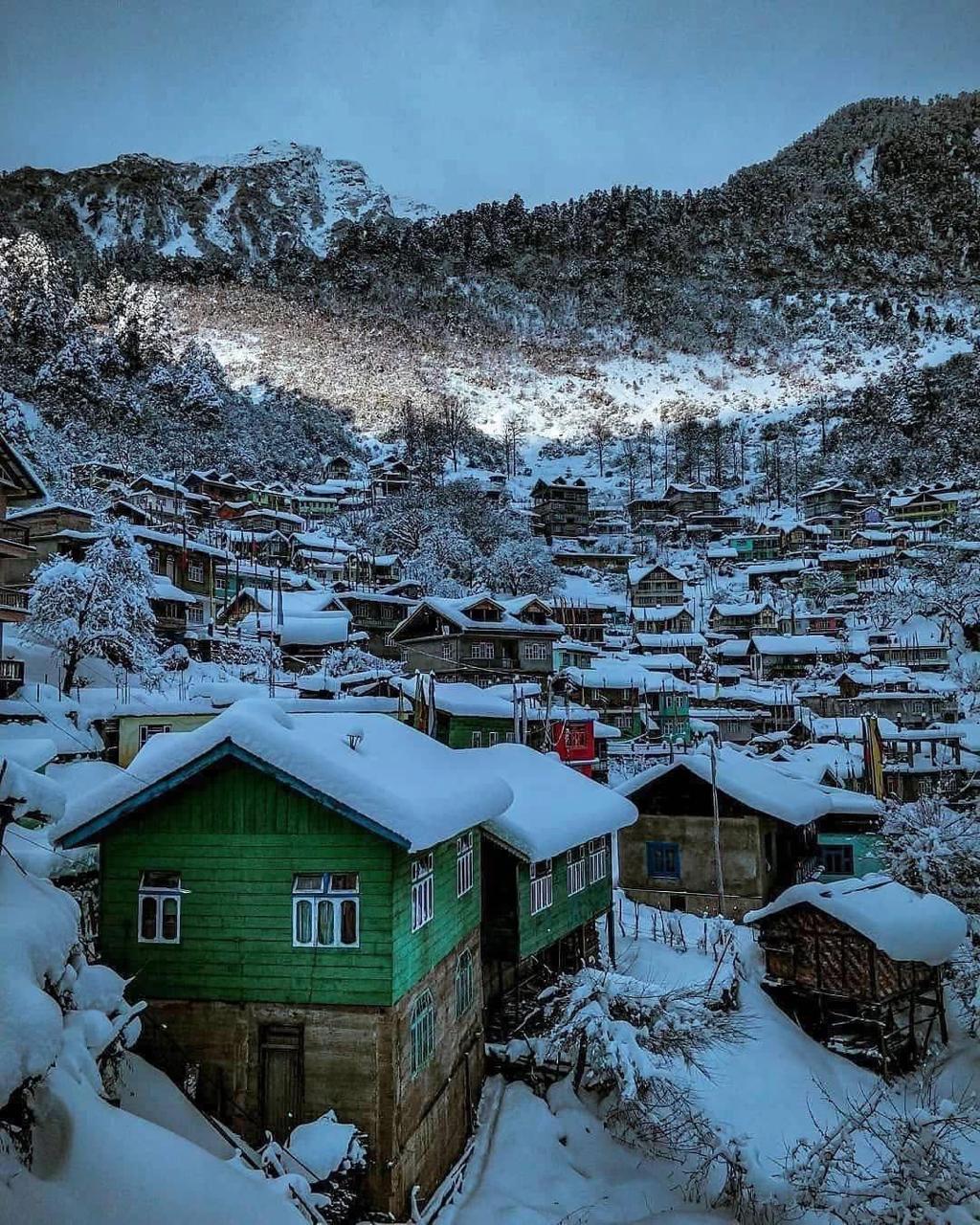
North Sikkim is the crown jewel of the state, featuring surreal landscapes that feel otherworldly. The sacred Gurudongmar Lake (5,183 m) — one of the highest lakes in the world — is a revered pilgrimage site. Yumthang Valley transforms into a riot of colour between March and May as rhododendrons blanket the valley floor. Lachung and Lachen are charming alpine villages that serve as base camps for further exploration.
3. West Sikkim - Monasteries, Valleys & Waterfalls
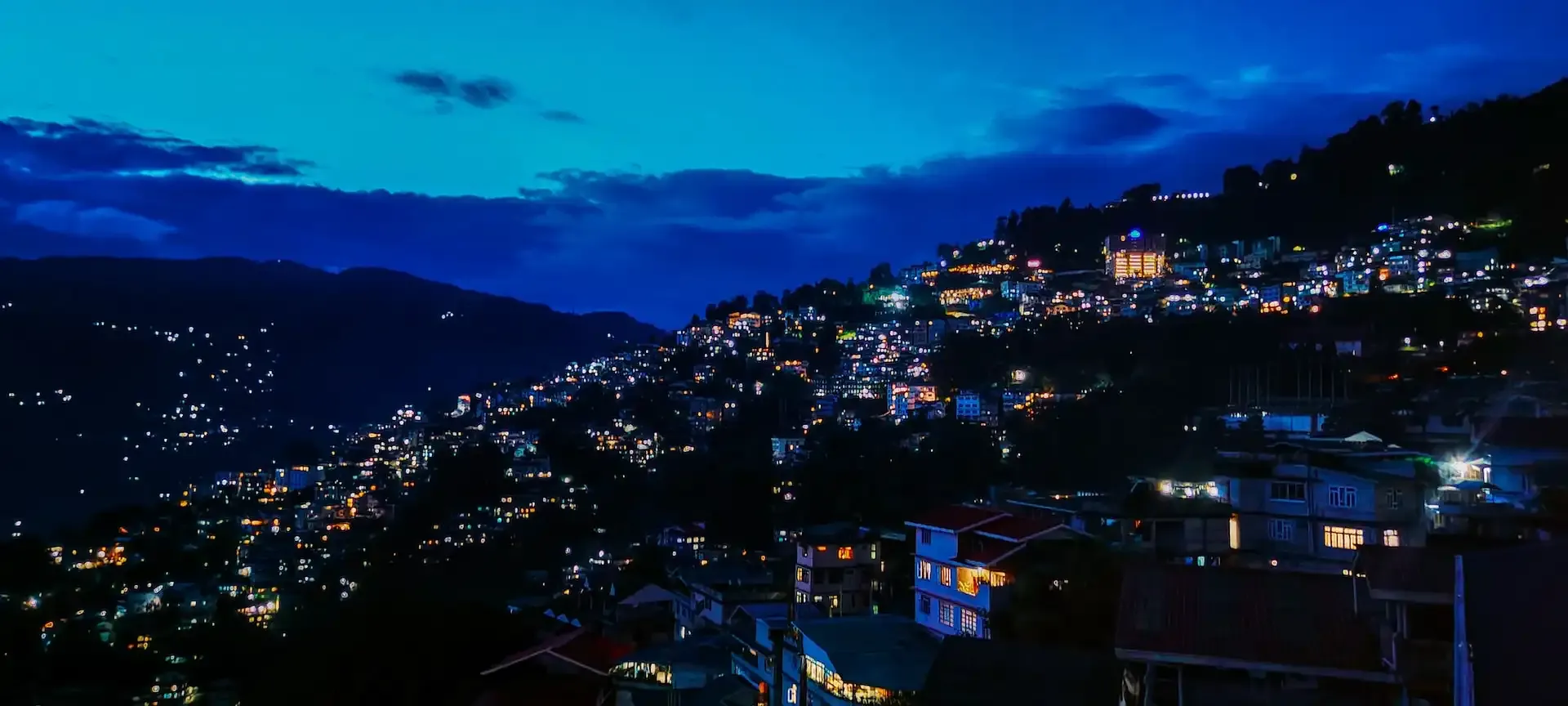
West Sikkim is a spiritual and scenic retreat. Pelling is a popular hill station offering majestic views of Kangchenjunga. The historic Pemayangtse Monastery (one of the oldest in Sikkim), the sacred Khecheopalri Lake, the dramatic Kanchenjunga Falls, and the thrilling Rabdentse Ruins make West Sikkim a must-visit for travellers seeking history, spirituality, and natural beauty.
4. South Sikkim - Green Valleys & Organic Farms
South Sikkim is the lush, fertile heartland of the state. The town of Namchi is home to two iconic landmarks: the towering Statue of Guru Padmasambhava and Siddhesvara Dham (a replica of the 12 Jyotirlingas). The Ravangla viewpoint offers stunning sunrise views over Kangchenjunga. Ravangla's Buddha Park (Tathagata Tsal) houses a majestic 130-foot Buddha statue surrounded by beautifully landscaped gardens.
5. East Sikkim - Lakes, Passes & Cultural Treasures
East Sikkim, centered around Gangtok, is home to the glacial Tsomgo (Changu) Lake at 3,753 metres — a dazzling alpine lake surrounded by steep, rocky terrain that changes colour with the seasons. The Nathu La Pass and Baba Mandir (a war memorial and shrine) are key stops on this route.
Sikkim is nestled in the eastern Himalayas.
It has no airport of its own.
But reaching it is easier than you think.
By Air
Fly into Bagdogra Airport (IXB), West Bengal.
It's the nearest airport to Sikkim.
Gangtok is about 124 km from Bagdogra.
The drive takes around 4 to 5 hours.
Taxis and shared jeeps are available outside.
Book a cab in advance for a smoother ride.
By Train
The closest railway station is New Jalpaiguri (NJP).
It connects well with major Indian cities.
From NJP, Gangtok is about 115 km away.
Shared taxis leave from the station daily.
The journey takes roughly 4 hours by road.
By Road
Sikkim connects via NH10 from West Bengal.
The road is scenic but can get narrow.
Self-drive is possible but needs experience.
Shared jeeps run between Siliguri and Gangtok.
Private taxis are available from NJP and Bagdogra.
As the most trusted travel agent in Gangtok for Sikkim tour packages, we know Sikkim inside out. We arrange the necessary permits for Tsomgo Lake, Nathu La, and North Sikkim on your behalf — a process that can be confusing if you try to do it alone. Our local Sikkim partners ensure you are in safe hands throughout your trip.
• Best travel agency in Sikkim with a 4.7-star Google rating
• In-house cabs — no outsourcing, full accountability
• Permit arrangements for restricted areas
• Flexible itineraries — add North Sikkim, Pelling, or Darjeeling easily
• Transparent, all-inclusive pricing
Indian nationals do not need a Protected Area Permit (PAP) for most of Sikkim. However, special permits are required for Nathu La Pass, North Sikkim (Lachen/Lachung), and a few other restricted zones. We arrange all permits as part of our packages.
Yes, Sikkim is consistently rated one of India's safest states. It is clean, well-governed, and the local people are known for their warmth and friendliness. Many of our guests are solo female travellers.
We recommend our 5-night package covering Gangtok, Tsomgo Lake, Nathu La, Rumtek, and one day in Pelling. This gives you a good cross-section of what Sikkim has to offer without being too rushed.
×
Request a Call Back
Share your details and our travel expert will call you shortly.