
SIKKIM TOUR GUIDE
Your Complete Travel Companion to the Land of Mysticism
Explore | Discover | Experience Sikkim
Table of Contents
- Why Sikkim Should Be Your Next Travel Destination
- When Is the Best Time to Visit Sikkim?
- Your Essential Sikkim Tour Itinerary
- Top Places Every Traveler Must See in Sikkim
- The Taste of Sikkim — A Food Lover’s Paradise
- Sikkim Culture: What Makes This State So Unique
- Festivals of Sikkim You Should Experience at Least Once
- Sikkim Tour Packages — Which One Is Right for You?
- Getting to Sikkim and Getting Around
- Practical Tips Before You Travel
- Final Thoughts
1. Why Sikkim Should Be Your Next Travel Destination
If you have been scrolling through travel photos and wondering where that place with snow-covered mountains, ancient monasteries, and perfectly green valleys is — it is Sikkim. Tucked away in the northeastern corner of India, Sikkim is small in size but enormous in beauty and character. It is one of those rare destinations that stays with you long after you return home.
This Sikkim tour guide is written specifically for travelers who want to experience the real Sikkim — not just the highlights, but the culture, the food, the festivals, and the moments that make this place unlike anywhere else on earth.
Sikkim was recently ranked among India’s top eco-tourism destinations and is India’s first fully organic state — a fact that speaks volumes about how seriously Sikkimese people take their land.
Whether you are planning a romantic getaway, a family holiday, an adventure trip, or a spiritual retreat, Sikkim has something deeply meaningful to offer every kind of traveler. And with the right Sikkim tour itinerary, you can make the most of every single day.
2. When Is the Best Time to Visit Sikkim?
Choosing the right time to visit Sikkim can completely transform your experience. The state has four very distinct seasons, each with its own personality.
Spring (March to May)
Spring is arguably the most beautiful time to visit Sikkim. The entire state comes alive with rhododendron blooms — Sikkim’s state flower — covering the hillsides in shades of pink, red, and white. The weather is mild, skies are relatively clear, and mountain views are spectacular. This is also the season of several Sikkimese festivals, making it an ideal time for cultural experiences.
Summer (June to August)
Summers bring the monsoon season to Sikkim. While the landscape turns an intense, lush green and waterfalls come roaring to life, heavy rainfall can make certain roads inaccessible — especially routes to North Sikkim. If you are flexible and enjoy misty mountains and greenery, it can still be a rewarding experience. Budget travelers often prefer this period due to lower prices.
Autumn (September to November)
After the monsoons clear, Sikkim reveals itself in its most pristine form. Skies are crystal clear, and the views of Kanchenjunga — the world’s third highest mountain — are absolutely unobstructed. This is the peak season for trekkers and photographers. Festivals like Dashain and Tihar add to the festive atmosphere. If you can visit only once, choose this window.
Winter (December to February)
Winter in Sikkim is cold, snowy at higher elevations, and remarkably peaceful. If you want to experience snow in places like Lachung, Yumthang, or Zero Point without large crowds, winter travel is perfect. Roads to North Sikkim can close due to snowfall, so check conditions before you travel. Hotels offer significant discounts, and the solitude is deeply special.
| Season | Months | Weather | Best For |
| Spring | Mar – May | Mild & Sunny | Flowers, Festivals, Views |
| Summer/Monsoon | Jun – Aug | Rainy & Green | Budget Travel, Nature |
| Autumn | Sep – Nov | Clear & Cool | Trekking, Photography |
| Winter | Dec – Feb | Cold & Snowy | Snow, Fewer Crowds |
3. Your Essential Sikkim Tour Itinerary
Planning a Sikkim tour itinerary can feel overwhelming given how much there is to see. Below are two carefully structured itineraries — one for those with 5 days and one for those with 7 days — both designed to give you a meaningful and memorable journey.
5-Day Sikkim Tour Itinerary
| Day | Location | Key Experiences |
| Day 1 | Arrival in Gangtok | MG Marg walk, Enchey Monastery, local dinner |
| Day 2 | East Sikkim | Tsomgo Lake, Baba Mandir, Nathula Pass (if open) |
| Day 3 | West Sikkim | Pelling, Khecheopalri Lake, Rabdentse Ruins |
| Day 4 | Rumtek & Namchi | Rumtek Monastery, Char Dham, South Sikkim |
| Day 5 | Gangtok Departure | Tashi Viewpoint, shopping, departure |
7-Day Sikkim Tour Itinerary
| Day | Location | Key Experiences |
| Day 1 | Gangtok | Arrival, MG Marg, Enchey Monastery |
| Day 2 | East Sikkim | Tsomgo Lake, Baba Mandir, Nathula Pass |
| Day 3 | North Sikkim (Lachung) | Enroute: Seven Sisters Waterfall, Lachung village |
| Day 4 | Yumthang & Zero Point | Valley of Flowers, Zero Point (15,000 ft) |
| Day 5 | West Sikkim (Pelling) | Khecheopalri Lake, Rabdentse Ruins, Sunset view |
| Day 6 | South Sikkim (Namchi) | Samdruptse, Char Dham, Temi Tea Garden |
| Day 7 | Back to Gangtok | Last-minute shopping, departure |
✈ Pro Tip: Always carry your Protected Area Permit (PAP) for restricted zones like Nathula Pass and North Sikkim. Your tour operator or hotel in Gangtok can help arrange this easily.
4. Top Places Every Traveler Must See in Sikkim
Gangtok — The Beating Heart of Sikkim
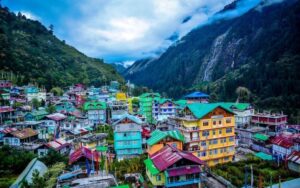
No Sikkim tour guide is complete without starting in Gangtok. As the state capital, Gangtok is the arrival and departure point for most travellers, and it deserves at least two full days of exploration. The famous MG Marg — a pedestrian street lined with restaurants, shops, and cafes — is the social centre of the city. Walk it in the evening when lights come on and locals gather. The Enchey Monastery, perched on a hilltop, offers spiritual calm and panoramic views. Gangtok’s cable car ride gives you aerial views of the city that are genuinely stunning.
Tsomgo Lake (Changu Lake)
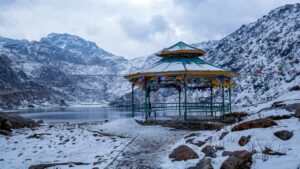
Located about 40 kilometres from Gangtok at an altitude of 3,753 metres, Tsomgo Lake is one of Sikkim’s most iconic natural attractions. The name means ‘source of the lake’ in the Bhutia language, and it is considered sacred by local people. In winter, the lake freezes completely. Yak rides along the lakeshore are a popular activity, and the surrounding landscape — especially in autumn — is absolutely breathtaking.
Nathula Pass
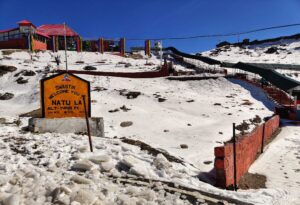
Nathula Pass, situated at 14,140 feet above sea level, is one of the few open border crossings between India and China. Standing here, you can literally see into Chinese territory across a wire fence. The pass is accessible only with a Protected Area Permit and only on certain days of the week. The drive up is filled with army bunkers, prayer flags, and mountain vistas. It is a deeply patriotic and awe-inspiring experience.
Yumthang Valley — The Valley of Flowers
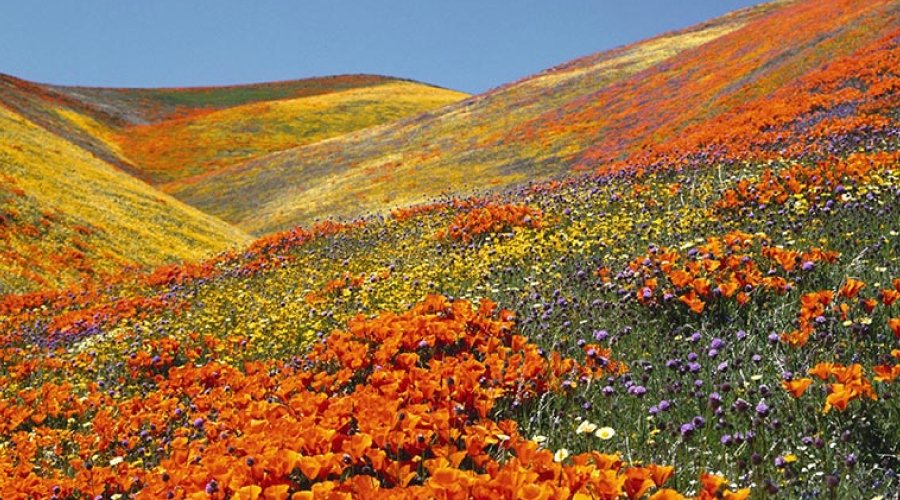
If you take your Sikkim tour itinerary into North Sikkim, Yumthang Valley is the crown jewel. At 11,800 feet, the valley is carpeted with rhododendrons, primulas, and other alpine flowers during spring. The Teesta River runs through the valley, and hot springs near the entrance let you soak your feet while surrounded by mountains. Beyond Yumthang lies Zero Point at 15,000 feet — a landscape of pure white snow that feels like the edge of the world.
Zero Point – Lachung

Yume Samdong, popularly known as Zero Point, is a stunning high-altitude destination in North Sikkim, India, famous for its breathtaking views of snow-capped peaks and confluence of three rivers, serving as the end of the civilian road, near the China border, requiring permits for entry.
Gorudongmar Lake – Lachen
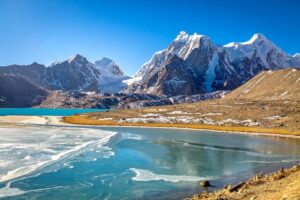
Gurudongmar Lake, located in North Sikkim at an altitude of approximately 17,800 ft (5,430 m), is one of the highest lakes in the world and India. It is a sacred, high-altitude water body held in reverence by Buddhists, Hindus, and Sikhs. Known for its stunning blue waters, crystal-clear appearance, and surrounding snow-capped peaks, it remains partially unfrozen even in extreme winters.
Pelling — The Gateway to Kanchenjunga Views
Pelling in West Sikkim is beloved for one thing above all else: unobstructed views of Mount Kanchenjunga on clear mornings. Wake up early, step outside your hotel, and look north. The world’s third highest peak, glowing pink in the sunrise, will leave you speechless. Pelling is also close to the ancient Rabdentse Ruins — once the capital of the old Sikkim Kingdom — and the sacred Khecheopalri Lake, believed to grant wishes by the local community.
Rumtek Monastery
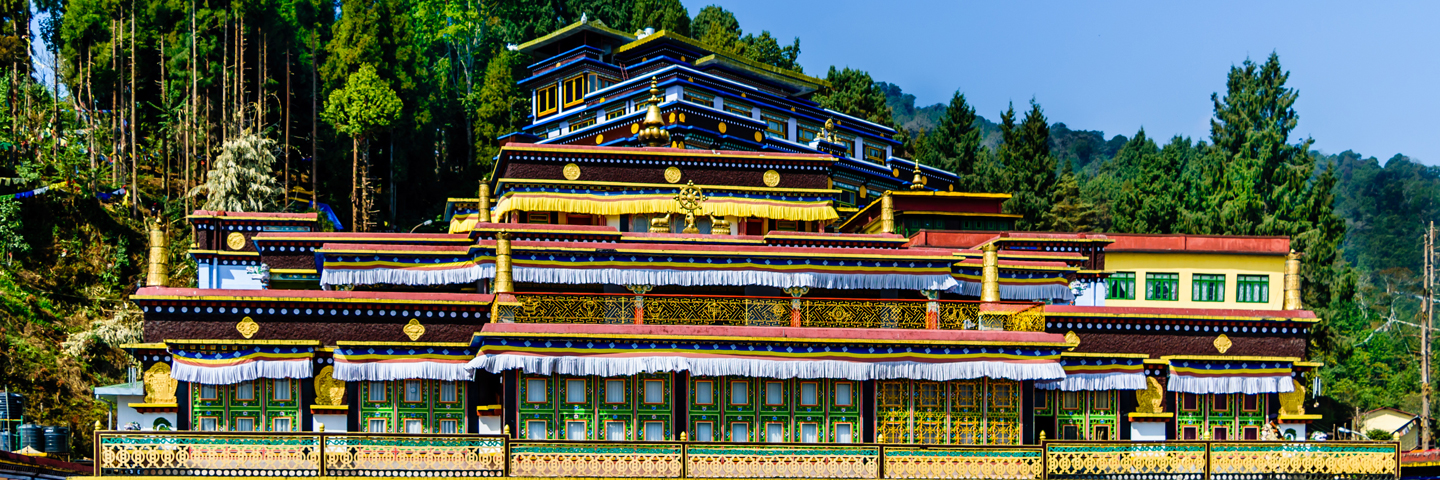
Rumtek Monastery, located about 24 kilometres from Gangtok, is one of the largest and most important monasteries in all of India. It is the seat of the Kagyu order of Tibetan Buddhism and houses incredible Buddhist art, sacred relics, and a working monastic school. The golden chorten (stupa) containing the relics of the 16th Karmapa is particularly revered. Visiting during a prayer ceremony is an experience that touches something very deep.
Namchi and South Sikkim
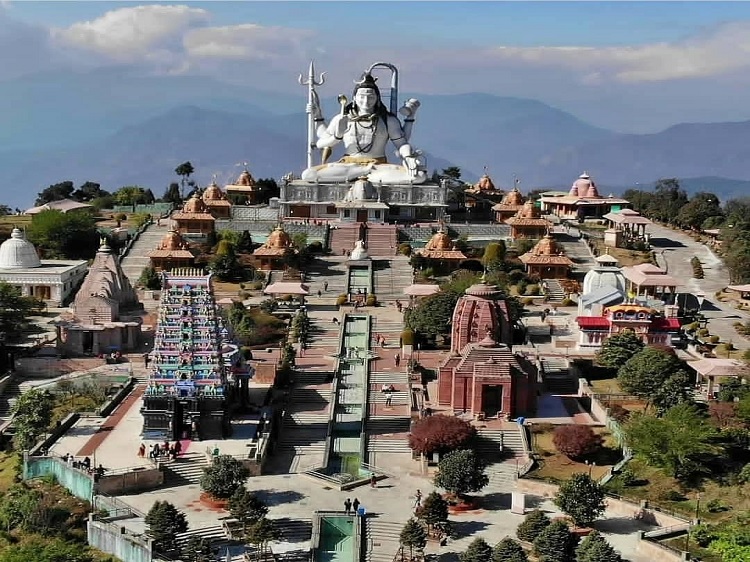
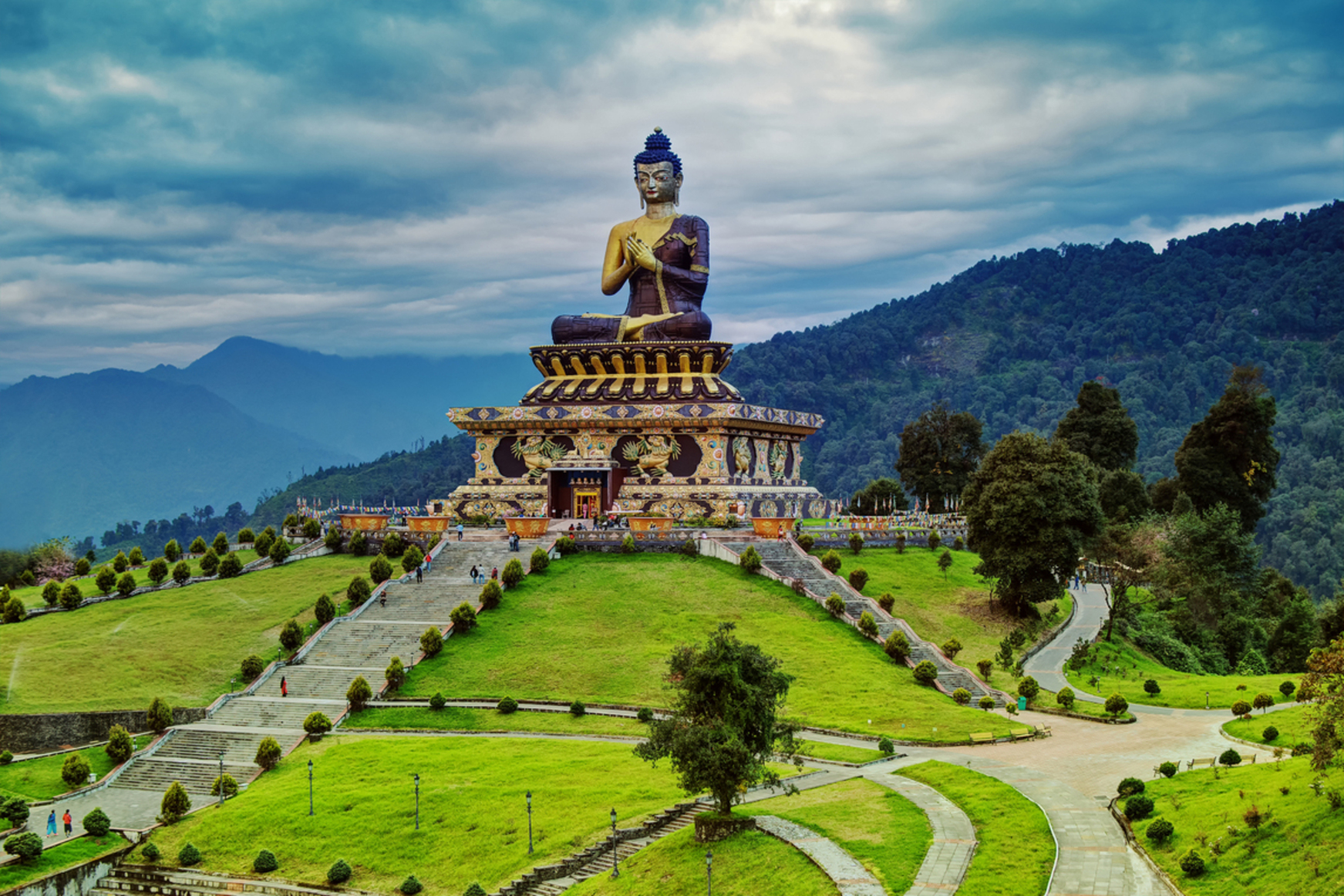
South Sikkim is often overlooked by travellers rushing between north and west, but Namchi is well worth your time. The Samdruptse statue — a massive 135-foot representation of Guru Padmasambhava — watches over the entire region from a hilltop. Nearby, the Char Dham complex is a replica of four sacred Hindu pilgrimage sites from across India, all in one place. The Temi Tea Garden, one of the most scenic tea estates in the country, is also in South Sikkim and produces excellent organic tea.
5. The Taste of Sikkim — A Food Lover’s Paradise
One of the most rewarding parts of any trip to Sikkim is the food. Sikkim local food is a beautiful fusion of Nepali, Tibetan, and Lepcha culinary traditions, shaped by the mountains, the climate, and centuries of culture. It is hearty, warming, and full of soul — exactly what you need after a day of high-altitude travel.
Momos — The Undisputed King
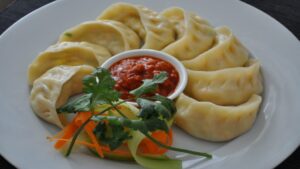
If you eat only one thing in Sikkim, make it momos. These steamed or fried dumplings, filled with vegetables, pork, chicken, or cheese, are the soul of Sikkimese cuisine. They are served with a spicy red chutney that locals make from scratch. You will find momos everywhere — from roadside stalls to restaurants — and every cook seems to have their own special recipe. The momos in Sikkim are widely regarded as among the best in India.
Thukpa — A Bowl of Mountain Warmth
Thukpa is a noodle soup that warms you from the inside out. Made with hand-pulled noodles in a clear or mild broth, loaded with vegetables and sometimes meat, it is the perfect meal after a cold day of sightseeing. Tibetan in origin, thukpa has become deeply embedded in everyday Sikkimese life. Sit in a small local restaurant with a bowl of thukpa and a cup of butter tea, and you will feel completely at home.
Gundruk and Sinki
Gundruk is fermented leafy greens, and Sinki is fermented radish. These two ingredients are staples of Nepali and Sikkimese cooking. They are used in soups, curries, and side dishes, adding a distinctive tangy depth of flavour. They may sound unusual to first-time visitors, but one taste is usually enough to make you a convert. Both are rich in probiotics and deeply nourishing.
Sel Roti
Sel Roti is a traditional ring-shaped rice bread, crispy on the outside and soft within. It is most commonly made during festivals, especially Tihar and Dashain, and symbolises celebration and togetherness. You can find it at local stalls and markets during festival season, and occasionally at restaurants year-round. It is sweet and slightly spiced — delightful with a cup of local tea.
Chhurpi
Chhurpi is a traditional hard cheese made from yak or cow milk. There are two types — soft chhurpi, which is used in cooking, and hard chhurpi, which is chewed slowly like a snack. Hard chhurpi can take hours to soften in the mouth. Locals have been eating it for centuries as a protein-rich food during long mountain journeys. It is sold widely in Sikkim markets and makes an unusual and authentic souvenir.
✈ Pro Tip: Ask your hotel or guesthouse to arrange a home-cooked Sikkimese meal. Many local families offer this, and it is one of the most authentic food experiences you can have in the region.
6. Sikkim Culture: What Makes This State So Unique
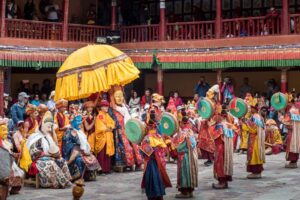
Understanding Sikkim culture is essential to truly appreciating what you are experiencing when you travel here. Sikkim is one of the most culturally rich states in India, home to three major communities — the Lepcha (the original inhabitants), the Bhutia (who migrated from Tibet), and the Nepali — alongside several smaller groups.
A Land of Three Peoples
The Lepchas call Sikkim ‘Nye-Mae-El’, meaning paradise. They are deeply connected to nature, with a rich oral tradition of folk songs, stories, and ceremonies tied to the land and forest. The Bhutia brought Tibetan Buddhism, the Tibetan language, and a culture of craftsmanship — particularly in weaving, thangka painting, and monastery art. The Nepali community brought Hinduism, a rich tradition of folk music, and the warmth and festivity that characterise so much of Sikkim’s social life.
Religion and Harmony
What is remarkable about Sikkim is how Buddhism and Hinduism coexist with complete harmony. You will see Buddhist monasteries and Hindu temples standing side by side, often sharing the same hillside. Locals from different communities participate in each other’s festivals with genuine enthusiasm. This religious and cultural harmony is not performative — it is genuinely woven into the fabric of daily life.
Traditional Dress and Crafts
Bhutia women wear the traditional ‘Kho’, a full-length silk dress, while men wear the ‘Bakhu’, a loose coat with full sleeves. Lepcha traditional dress uses natural fabrics in striped patterns. These garments are still worn during festivals and ceremonies. Sikkim is also known for its handmade carpets, thangka paintings — intricate Buddhist scroll paintings — and woodcarving. Visiting the Institute of Tibetology in Gangtok is one of the best ways to deepen your understanding of this artistic heritage.
Music and Dance
Music and dance are central to Sikkim culture. The ‘Maruni’ dance, associated with Nepali tradition, is performed during Tihar and other celebrations. The ‘Chu Faat’ dance is a Lepcha ritual performed to honour nature and the spirit of the forest. ‘Cham’ is the sacred mask dance performed by Buddhist monks during monastery festivals — it is one of the most spectacular visual experiences Sikkim offers.
7. Festivals of Sikkim You Should Experience at Least Once
No Sikkim tour guide would be honest without devoting serious space to the festivals of Sikkim. Sikkimese festivals are vivid, joyful, deeply spiritual, and open to all visitors. Planning your trip around a festival can elevate the entire experience.
Losar — Tibetan New Year
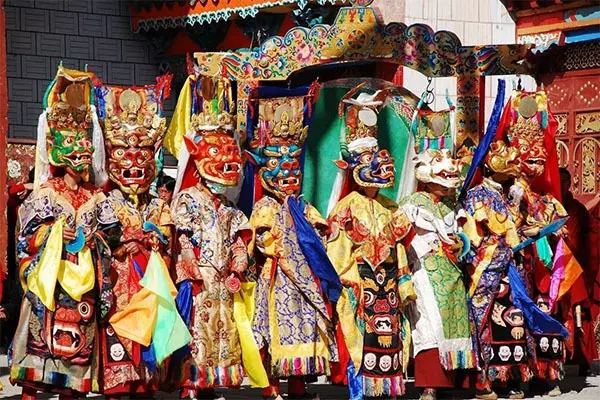
Losar is the Tibetan New Year and one of the most important Sikkimese festivals celebrated by the Bhutia community. It falls in February or March and involves three days of prayer, dancing, feasting, and cultural performances. Monasteries are lit up with butter lamps, and monks perform the spectacular Cham mask dance. The atmosphere is electric — joyful and deeply spiritual at the same time. Rumtek and Enchey Monasteries are the best places to witness Losar celebrations.
Saga Dawa — The Sacred Buddhist Festival
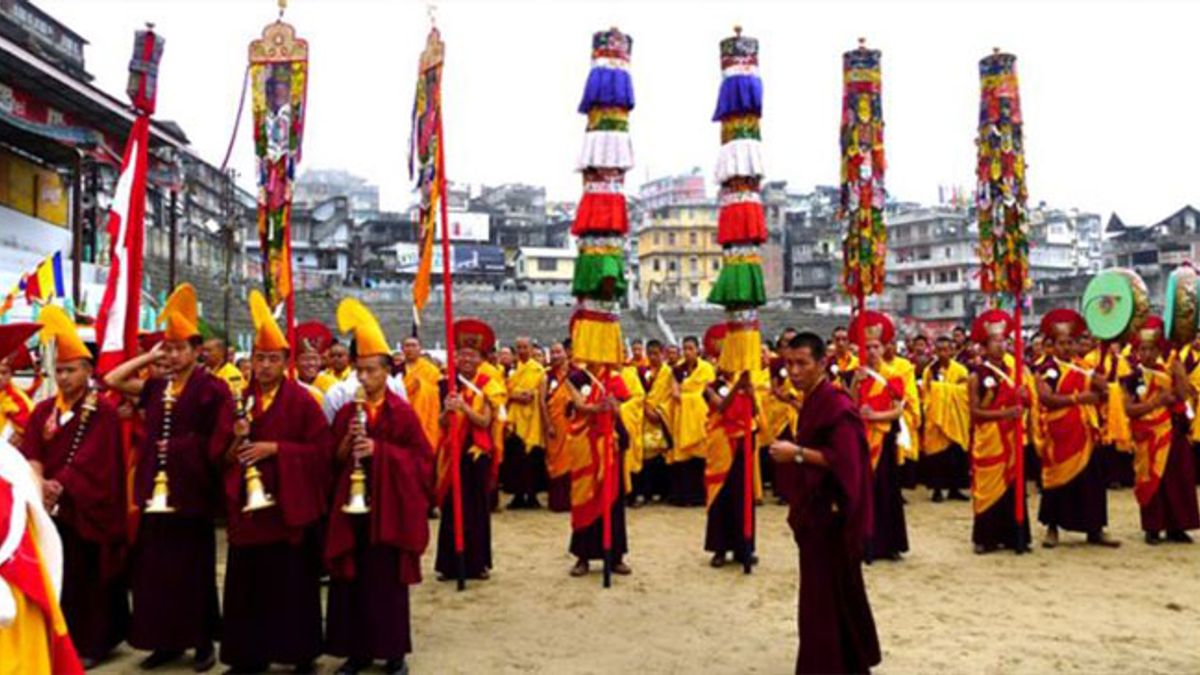
Saga Dawa is held on the full moon of the fourth Tibetan month (usually May or June) and commemorates the birth, enlightenment, and passing of Lord Buddha — all believed to have occurred on the same day. It is the holiest day in the Sikkimese Buddhist calendar. Monks and devotees walk in large processions carrying religious flags and relics. Many pilgrims also undertake the sacred circumambulation of Kanchenjunga. Witnessing Saga Dawa is a genuinely moving experience.
Dasain and Tihar

Dasain and Tihar are the two biggest Hindu festivals and are celebrated with tremendous energy by Sikkim’s Nepali community. Dasain involves the worship of the goddess Durga and includes animal offerings, the exchange of blessings, and large family gatherings. Tihar follows shortly after and is the festival of lights — houses are decorated with candles and oil lamps, sisters tie sacred threads on their brothers’ wrists, and crows, dogs, and cows are each honoured with offerings on specific days. It is a beautiful, warm, and festive time to be in Sikkim.
Pang Lhabsol
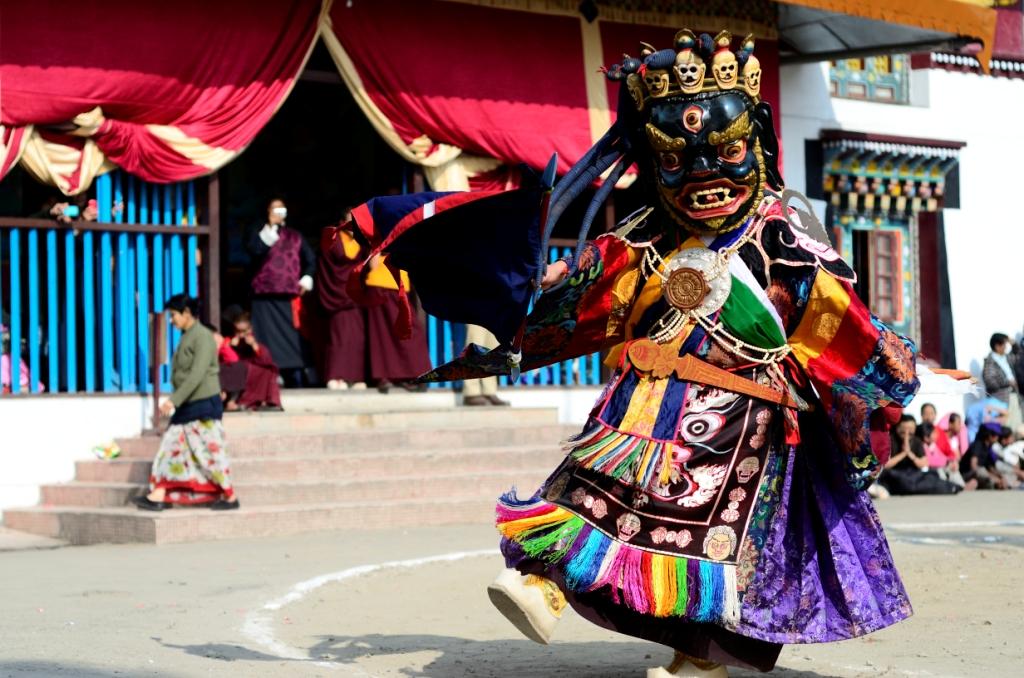
Pang Lhabsol is unique to Sikkim and unlike any other festival in India. It celebrates Mount Kanchenjunga as the guardian deity of Sikkim. The festival falls in August or September and involves elaborate rituals, warrior dances, and prayers giving thanks to the mountain for protecting the land and its people. The mask dance performances during Pang Lhabsol are particularly striking — dancers wear elaborate costumes representing divine warriors.
Bumchu Festival
The Bumchu Festival at Tashiding Monastery in West Sikkim is held in February and draws pilgrims and tourists from across the world. A sacred pot (the ‘Bum’) is opened once a year during this festival, and the water level inside it is interpreted as a prophecy for the coming year. The ritual, combined with monastery prayers and community celebrations, makes it one of Sikkim’s most spiritually charged events.
| Festival | Community | Approximate Time | Best Venue |
| Losar | Bhutia/Buddhist | Feb – Mar | Rumtek, Enchey Monastery |
| Saga Dawa | Buddhist | May – Jun | Throughout Sikkim |
| Pang Lhabsol | All Sikkimese | Aug – Sep | Pemayangtse, Gangtok |
| Bumchu | Buddhist | February | Tashiding Monastery |
| Dasain & Tihar | Nepali/Hindu | Oct – Nov | Throughout Sikkim |
8. Sikkim Tour Packages — Which One Is Right for You?
Choosing from the many available Sikkim tour packages can be confusing. The right package depends entirely on your interests, budget, travel style, and how much time you have. Here is an honest breakdown to help you decide.
Budget Packages
Budget Sikkim tour packages typically cover 5 to 6 nights and include basic hotel accommodation, shared transport, and guided visits to the main attractions of East and West Sikkim. These are ideal for solo travellers, backpackers, or families who want to experience the best of Sikkim without overspending. Expect to pay between ₹12,000 to ₹18,000 per person for a well-designed budget package.
Standard Packages
Standard packages usually cover 7 nights and include 3-star accommodation, private transport, guided tours of all four districts, and meals. They are the most popular choice for couples and families visiting for the first time. Prices typically range from ₹18,000 to ₹30,000 per person, depending on the season and specific inclusions.
Luxury Packages
For those who want the finest version of Sikkim, luxury packages are an extraordinary choice. They feature boutique heritage hotels, private vehicles, personalised guides, and curated experiences such as monastery visits with resident lamas, private cooking sessions with local chefs, and sunrise hikes with mountain guides. These packages start from ₹40,000 per person and can go significantly higher.
Adventure Packages
Sikkim offers some of India’s most rewarding trekking routes. Adventure packages focus on treks such as the Goecha La Base Camp trek (which offers close views of Kanchenjunga’s south face), the Dzongri Trek, the Singalila Ridge, or the Green Lake Trek in North Sikkim. These are typically 8 to 12 days long and require moderate to high fitness levels.
✈ Pro Tip: Always book Sikkim tour packages from operators registered with the Sikkim Tourism Board. This ensures your guides are licensed, your permits are properly arranged, and your safety is prioritised.
9. Getting to Sikkim and Getting Around
How to Reach Sikkim
Sikkim does not have its own airport for commercial flights. The nearest major airport is Bagdogra Airport (IXB) in West Bengal, which is well connected to Delhi, Kolkata, Mumbai, and several other cities. From Bagdogra, the drive to Gangtok takes approximately 4 to 5 hours by road, passing through beautiful tea gardens and the Teesta River valley.
The nearest railway station is New Jalpaiguri (NJP), also in West Bengal, which is accessible from most major Indian cities. Shared taxis and buses connect NJP and Bagdogra to Gangtok throughout the day. Most tour operators include airport transfers in their packages.
For those crossing from Nepal, the Pakyong Airport near Gangtok now operates select domestic flights, though connectivity is limited. Check current schedules before planning arrivals via Pakyong.
Getting Around Within Sikkim
The most comfortable way to explore Sikkim is by hiring a private vehicle with a local driver. Roads in Sikkim are winding mountain roads, and having a driver familiar with local conditions is both safer and more enjoyable. Shared taxis operate between major towns and are a budget-friendly option.
Within Gangtok, the cable car is a fun and scenic way to move between different elevations. MG Marg and the town centre are best explored on foot.
10. Practical Tips Before You Travel
| Category | What You Need to Know |
| Permits | Inner Line Permit (ILP) required for all non-Sikkim residents. PAP needed for North Sikkim & Nathula. |
| Currency | Carry cash. ATMs in Gangtok are reliable; smaller towns may have limited access. |
| Altitude | Acclimatize before heading to high altitudes. Stay hydrated and rest on first day. |
| Connectivity | BSNL and Airtel work best. Connectivity is patchy in remote areas. |
| Dress Code | Carry layers regardless of season. Evenings are cool even in summer at high altitude. |
| Eco-Etiquette | No plastic bags in Sikkim. Carry a reusable bag and water bottle. |
| Photography | Always ask before photographing locals, especially at monasteries and festivals. |
| Medical | Carry basic altitude sickness medication. Consult a doctor before the trip if needed. |
11. Final Thoughts — Sikkim Is Waiting for You
Sikkim is not just a destination. It is an experience that works on multiple levels simultaneously — the physical exhilaration of mountain landscapes, the spiritual depth of ancient monasteries, the cultural richness of three communities living in harmony, the culinary delight of Sikkim local food, and the warmth of Sikkimese people who welcome every visitor with genuine generosity.
Whether you follow a pre-planned Sikkim tour itinerary or simply arrive and let the place guide you, Sikkim will give you something you did not know you needed. A sense of perspective. A moment of quiet. A memory that stays with you for years.
Use this Sikkim tour guide as your starting point, choose the Sikkim tour packages that match your travel style, plan around the festivals of Sikkim that speak to you, and go. Kanchenjunga will be watching over you the whole time.
The mountains are calling. Will you answer?
This blog was written based on verified travel experience by GREENHILLS TOUR TRAVEL TEAM
