After Dark in Gangtok The Himalayan Night Awaits
Where mountain mist meets glowing streets, live music floats through cold air, and every evening becomes a story worth telling.
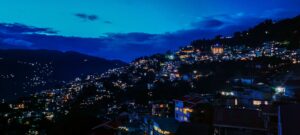
Let me be clear about something from the start: Gangtok’s nightlife is not trying to compete with Goa, Bangalore, or Mumbai. It is not about rooftop EDM festivals or clubs that stay open until 4 AM. What Gangtok offers is something far more personal — an intimate, warm, layered experience of a mountain town that genuinely knows how to enjoy itself after sundown.
I have spent time in this city across different seasons, walked MG Marg in both drizzle and clear skies, sat inside dimly lit pubs nursing a local beer while a band played folk-infused rock, and stepped into a casino at midnight just to see what it felt like at that altitude. The nightlife here is real, it is growing, and it is honestly one of the more underrated evening experiences in all of Northeast India.
This guide will take you through everything — the best venues, the drinks you should try, the music scene, safety, what season to visit, and how to make the most of your evenings in Sikkim’s capital.
OPENBARLIVE MUSIC
I. The Myth vs. The Reality
There is a widely held belief among first-time visitors that Gangtok shuts down after 8 PM. Locals will smile when they hear this. The truth, as the official Sikkim Tourism website itself confirms, is that Gangtok has a vibrant mix of live music cafes, lively dancing venues, and intimate bars that come alive after dusk — particularly around MG Marg.
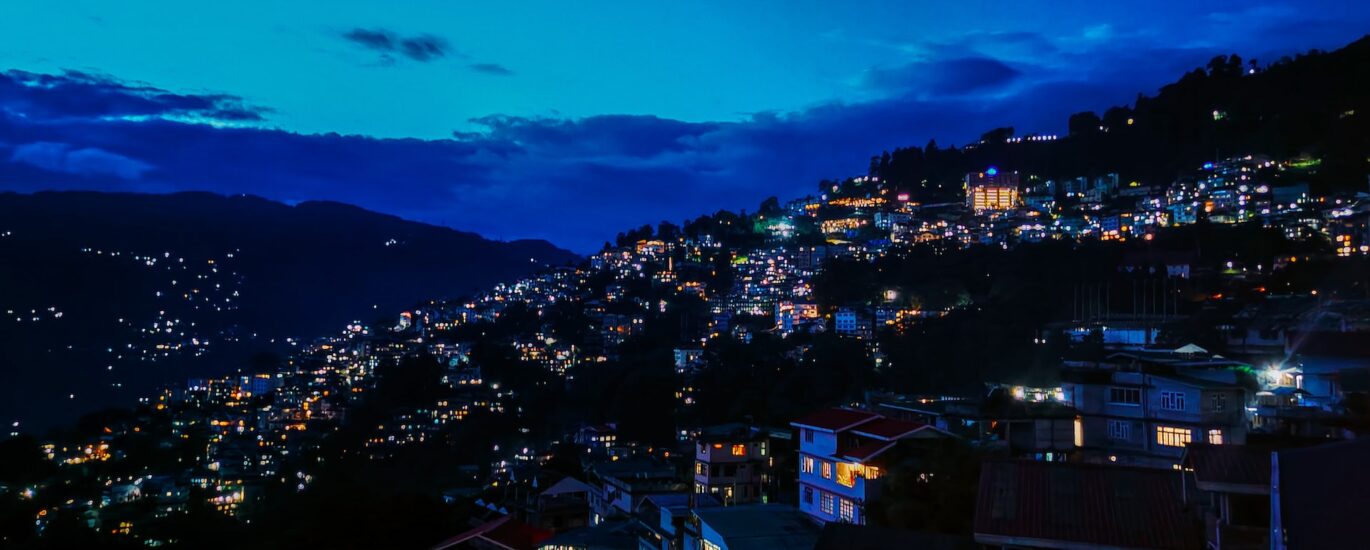
The city’s nightlife has a character all its own. Because Gangtok sits at roughly 5,500 feet above sea level, the air is cool to cold almost all year round. Evenings carry a crispness that makes stepping into a warm, dimly lit bar feel genuinely rewarding. You are not sweating in a crowded room — you are huddled around a table with good people, cold beer, and live music filtering through the walls. That is the texture of nightlife here.
There is also a long-standing myth that Gangtok after dark is unsafe, particularly for women travelling alone or in small groups. This, too, is largely unfounded. Gangtok is consistently recognized as one of the safest cities in Northeast India. The streets near MG Marg remain reasonably well-lit and active well past midnight on weekends, and the general culture of the city is welcoming rather than threatening.
Most bars and clubs in Gangtok observe the legal closing time of midnight. The city is not a 24-hour nightlife destination, but the hours between 7 PM and 11:30 PM can be genuinely memorable if you know where to go. Plan your evenings early, especially on weekends when popular spots fill up fast.
II. The Heart of It All — MG Marg at Night
If you only have one evening in Gangtok, spend it on MG Marg. This pedestrian street, named after Mahatma Gandhi, is the social and commercial spine of the city. During the day it is pleasant enough — shops selling thangka paintings, Sikkimese snacks, warm jackets, and prayer flags. But the moment the sun drops behind the Khangchendzonga range and the streetlights flicker on, MG Marg becomes a completely different experience.
The street fills with an unhurried crowd: couples walking slowly, groups of young people moving between cafes, tourists pointing at menus posted outside restaurants, old men sitting on benches watching the foot traffic. Street vendors set up carts selling steaming momos and roasted corn. The smell of butter tea and grilled meat drifts through the cold air. Children run ahead of their families.
On weekends the energy picks up considerably. Live music leaks out of at least three different establishments simultaneously. You will hear everything from Nepali folk ballads to English rock covers to the occasional jazz set. The MG Marg area is compact enough that you can spend an entire evening simply walking, listening, and stopping wherever the music or the food pulls you in. No agenda needed.
III. Where to Go — The Best Venues in Gangtok
Here is a curated, honest breakdown of the venues that genuinely deliver a good experience. Not every nightclub in Gangtok is worth your time (a few have mixed reviews and some have faced complaints about entry fees and service), so this list focuses on places with a reliable track record.
The Live Music Scene
Live music is where Gangtok’s nightlife truly shines. Several venues have built their entire identity around local and visiting musicians.
Cafe Live & Loud
The most celebrated music venue in the city. Exposed brick walls, Edison bulbs, and a stage where local talent plays rock, indie, jazz, and Himalayan folk with a modern twist. Thursday “New Talent Nights” and packed weekends make this a must-visit. The first acoustically designed live music club in all of Northeast India.
Lounge 31A
High-energy, flashy cocktails, mountain views, and regular live music events. Well-known for hosting international DJs and creating a genuine party atmosphere. Known for Bloody Mary and Virgin Mojito cocktails. Saturday and Sunday DJ nights are the highlights of the week here.
Gangtok Groove
By day a quaint cafe for coffee; by night one of the most popular local hangouts on MG Marg. Laid-back lighting, live music, and an inviting crowd where locals and visitors mix easily. Represents the true essence of Sikkim meeting the modern bar culture.
Pub 25
A British-style pub in the heart of New Market on MG Marg with chic interiors and an extensive drinks menu. Known for quality food, reasonable prices, and an occasional live music night. Solo travellers and couples frequently recommend it for its relaxed, welcoming atmosphere.
After Dark
A state-of-the-art sound system, international DJs, and a dance floor that stays alive till midnight. Best visited with a group on Friday through Sunday evenings. Stylish decor and a diverse crowd contribute to an electric energy that is hard to find elsewhere in the region.
Infinity Futsal Arena
A unique spot where football culture meets nightlife. A fully stocked bar, big-screen matches, freshly cooked food (try the thin crust pizza), and an animated crowd of locals and visitors. A great place to have an animated conversation with Sikkimese football fans.
The Casino Experience
This is one of Gangtok’s genuinely unique offerings. Sikkim was one of the first states in India to legalize land-based casinos, and the Casino Mahjong at Mayfair Spa Resort remains one of the largest and most established five-star onshore casinos in the country.
You do not need to be a high-stakes gambler to enjoy it. The casino offers a range of table games including poker, roulette, and blackjack, but even arriving just to absorb the atmosphere — the low lighting, the focused quiet of players, the clink of chips — is an experience worth having at least once. The Mayfair resort itself is beautifully located and the casino bar serves excellent cocktails.
Open throughout the day and into the early hours. Located at Mayfair Spa and Resorts, National Highway 31A, Lower Samdur Block, Ranipool. This is one of the first land-based live casinos ever established in India — a genuine piece of Sikkim’s hospitality history.
The X’cape nightclub, located at the Vajra Cinema Hall, is another veteran of Gangtok’s nightlife scene. Known for a vibrant dance floor, live DJ performances, and an upbeat crowd made up primarily of the city’s young residents, it opens from 7 PM and typically runs until midnight. Reasonably priced drinks and a reliably energetic vibe make it a strong choice for groups looking to dance.
IV. What to Drink in Gangtok After Dark
The drinking culture in Gangtok has layers to it that most visitors do not immediately discover. There are the cocktails and imported beers you will find anywhere, but there is also a local drinks culture rooted in the mountain traditions of Sikkim and the Himalayan belt that is genuinely worth exploring.
| Drink | What It Is | Where to Find It |
|---|---|---|
| Tongba
Traditional · Sikkim
|
Hot millet beer served in a bamboo vessel with a bamboo straw. Warm, slightly sour, deeply satisfying on a cold Gangtok night. You keep refilling the vessel with hot water as you drink. | Traditional restaurants and select bars around MG Marg |
| Chang
Traditional · Himalayan
|
A fermented grain beer (often barley or millet) with a cloudy, slightly tangy taste. The local version of home-brewed beer, consumed across Sikkim and Tibet. | Traditional eateries and some pubs |
| Chhang
Nepali · Regional
|
Similar to Chang but with a Nepali touch, often served warm in a clay pot. Lower alcohol content than most commercial beers but deeply rooted in the culture of the region. | Local dhabas and traditional-style restaurants |
| Sikkim Rum / Whiskey
Local Distillery
|
Local distilleries in Sikkim produce strong rums and whiskeys that are significantly cheaper than national brands. Smooth, warming, and best enjoyed neat or with hot water in the cold evenings. | Most bars and pubs in Gangtok |
| Bloody Mary
Cocktail · Lounge 31A specialty
|
Lounge 31A’s bartenders have built a small reputation for cocktail-making. Their Bloody Mary and Virgin Mojito are consistently praised by regulars and visitors alike. | Lounge 31A, Tibet Rd area |
About 80 percent of the restaurants in Gangtok serve alcohol alongside their food menus, which means you rarely need to make a hard distinction between “eating out” and “having drinks.” Many of the best food experiences in the city happen in the same places where you will find a good local rum or a cold beer. The hospitality culture is relaxed about this — sitting at a table with a drink, taking your time, watching the street outside is entirely normal and accepted.
V. The Midnight Momo Culture & Evening Street Food
Here is something that separates Gangtok’s nightlife from almost every other hill station in India: the street food scene runs parallel to the bar scene and is just as central to the evening experience. You do not have to choose between eating and drinking — you do both, often at the same time, often outdoors.
Momos are the anchor. These Tibetan-origin dumplings, stuffed with pork, chicken, paneer, or vegetables, are sold by street vendors all around MG Marg and the surrounding lanes. The ones made by the hand-cart vendors — simple, steamed, served with a dark red chutney — are often better than what you get in restaurants. And at 10 PM when you have just left a pub and the cold air hits you, a plate of fresh momos is exactly what your body is asking for.
Thukpa is another staple of the Gangtok night — a Tibetan noodle soup with vegetables or meat that comes in a large, warming bowl. Several small restaurants near MG Marg serve it all through the evening. Tingmo, a steamed Tibetan bread, is often served alongside. Together they make a perfect late-evening meal when you are not looking for a full dinner but want something substantial.
The Taste of Tibet restaurant in Lal Bazaar is specifically worth mentioning — it serves authentic Tibetan cuisine including momos, thukpa, and Tibetan bread and is a favourite of both locals and travellers who have discovered it. Not the flashiest location, but the food is the real thing.
VI. How Safe Is Gangtok at Night?
This deserves a straightforward answer because it genuinely matters to so many travellers, particularly women and solo visitors. Gangtok is safe. It is not a city where you walk with your bag clutched to your chest or avoid certain streets after dark. The general character of Sikkim — its community-oriented culture, its relatively small size, the strong presence of local governance — makes Gangtok one of the most secure destinations in the entire northeastern belt of India.
The area around MG Marg, where most of the nightlife is concentrated, stays active until well past 11 PM on weekends. There are people around, street lights are functional, and the restaurants and bars spill their warm light onto the pavement. Rickshaws and taxis operate late into the night along major roads.
Travel with a buddy
Standard advice for any unfamiliar destination. Even in a safe city, having someone with you makes evenings smoother and more enjoyable.
Arrange transport early
Tell your hotel when you expect to return. Auto-rickshaws become scarce after 11 PM in some areas. Shared taxis are the most common late-night option.
Dress warmly
Gangtok evenings are cold year-round. Even in summer, post-10 PM temperatures drop sharply. A jacket is not optional — it is essential.
Inner Line Permit
Carry your ILP at all times. It is technically required for all visitors and you may need it at security checkpoints even late at night.
Carry cash
Many smaller bars and street food vendors do not accept cards or UPI. ATMs on MG Marg are reliable but can get busy on weekends.
Read reviews for clubs
A few clubs in Gangtok have received complaints about entry fees and misleading timings. Stick to the well-reviewed venues listed in this guide.
VII. When to Visit for the Best Nightlife Experience
Gangtok can be visited year-round, but certain months offer significantly better nightlife experiences than others. The monsoon season in particular brings heavy rain and some venue closures, while winter evenings have a magic to them that is hard to describe to someone who has not felt it.
Post-monsoon clarity. The air is clean, the mountains visible, and the city in full swing. Christmas and New Year celebrations are particularly vibrant, with special events at most major venues. Cold but manageable with the right clothing.
Spring brings rhododendrons to the hills and a festive mood to the city. Evenings are cool but pleasant. Tourist season picks up and venues stay busy through the week. A great time for live music events.
Peak monsoon. Heavy rainfall, landslides on mountain roads, and some venues operating with reduced hours or closed altogether. The city is quieter and less accessible. Not recommended for a nightlife-focused visit.
Deep winter evenings. Very cold but extraordinarily atmospheric — frost on the pavement, warm interiors, the intimacy of a bar when the world outside is frozen. A minority experience, but those who love it, love it deeply.
VIII. The Cultural Texture of a Gangtok Evening
To understand nightlife in Gangtok properly, you need to understand the culture that surrounds it. Sikkim has a population drawn from Nepali, Lepcha, Bhutia, and Tibetan communities, and this multi-ethnic character shows up in its music, its food, and the way evenings unfold socially. A night out here is rarely just about alcohol or loud music — it is often also about conversation, community, and a certain pride in local identity.
The music scene in Gangtok reflects this. When local bands play at Cafe Live & Loud, they are not necessarily playing the Top 40. They are playing rock covers translated into Nepali, folk songs given electric guitar, Himalayan melodies arranged for a full band. The crowd knows the words to songs that tourists have never heard, and there is something moving about watching an entire bar sing along to a piece of music that belongs specifically to this place.
Football is also deeply woven into the social fabric of the city’s evenings. The sport has an outsized following in Gangtok, and places like Infinity Futsal Arena fill up on match nights with people who treat the game with the same seriousness and celebration that Mumbai gives to Bollywood. If you visit during a major tournament — especially if the local Sikkim United FC is playing — the atmosphere in sports bars is genuinely electric.
The casino culture, while newer, has taken root with remarkable speed. Casino Mahjong attracts a mix of serious gamblers, curious tourists, and locals looking for a glamorous evening out. The Mayfair resort that hosts it is among the most prestigious addresses in the state, and an evening there carries a certain sense of occasion that does not feel out of place even in a small mountain city.
IX. Practical Details Every Visitor Should Know
A few final pieces of information that will make your evenings in Gangtok smoother and more enjoyable:
Most bars and clubs in Gangtok are not formally ticketed. Entry is generally free, though some discotheques charge a cover on weekends that is typically adjustable against your food and drinks bill. Always confirm this arrangement at the entrance before you go in — some venues have faced criticism for opaque entry policies.
Alcohol prices in Gangtok are reasonable by Indian standards and noticeably cheaper than metropolitan cities. A pint of local beer will typically cost between ₹150–₹250 at most establishments. Cocktails at nicer lounges run between ₹300–₹500. Local rum and whiskey, served neat or with a mixer, are the most economical choices and often the most characterful.
Tipping culture at bars is not as entrenched as in Western cities, but a small tip for attentive service is always appreciated and increasingly expected at the nicer venues. Somewhere between ₹50 and ₹100 per round is typically appropriate.
Most venues are within walking distance of each other on and around MG Marg, which makes it easy to spend an evening bar-hopping without needing to arrange transport between stops. The compact geography of Gangtok’s entertainment district is one of its great advantages — you can cover several venues in one evening without exhausting yourself.
Network connectivity in Gangtok is good by hill station standards. Most bars and cafes offer Wi-Fi. Booking apps like Zomato and Google Maps are your best friends for checking current operating hours, which can occasionally change from what is listed on older travel blogs.